![what-is-coworking.jpg]()
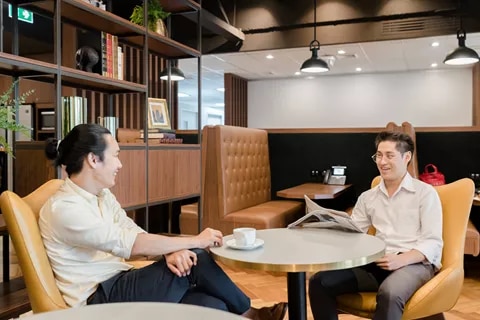
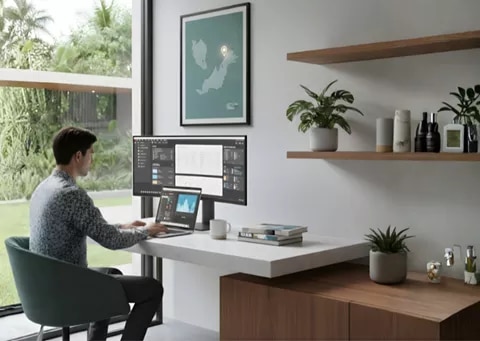
Coworking spaces provide a flexible, shared work environment where individuals and businesses work alongside one another while accessing communal amenities and professional services. They offer an alternative to traditional offices by combining flexibility, community, and built-in facilities that support modern ways of working.
The modern coworking movement began in 2005, when entrepreneur Brad Neuberg opened the first official coworking space in San Francisco. His goal was to create a more social and productive environment for people working from home — a concept that quickly resonated with freelancers, startups, and remote professionals.
Since then, coworking has grown into a global movement. As of 2025, the number of coworking spaces worldwide had expanded from around 20,000 in 2021 to nearly 42,000 by 2024. The shared office market reached USD 41.4 billion in 2024, with forecasts of USD 62.75 billion by 2029, driven largely by Asia–Pacific, Europe, and North America.
In this guide, we’ll explore what coworking spaces are, how they began, the key milestones in their evolution, and why they’ve become essential for modern work. For businesses and professionals considering this way of working, Servcorp’s coworking spaces provide flexible workspace options designed to support contemporary work requirements.
What Are Coworking Spaces?
A coworking space is a shared workplace designed to bring people from different businesses together in a collaborative setting. Early coworking spaces in the 2000s primarily attracted freelancers and web entrepreneurs who sought a more productive alternative to cafés, business centres, or home offices.
As coworking matured, larger organisations also turned to shared spaces to reduce the cost of under-utilised offices and to give employees greater flexibility. But the benefits of coworking extend far beyond cost savings.
Modern coworking environments are intentionally designed to foster collaboration, offering social areas, community hubs, and shared zones where professionals can connect, exchange ideas, and innovate. Rooted in Europe’s early “hackerspaces,” today’s coworking model supports companies of all sizes by providing access to talent, scalable workspace options, and the ability to grow without long-term lease commitments.
How Coworking Spaces Emerged
While the term “coworking” is relatively new, the concept originated with Berlin’s first hackerspace in 1995, and early coworking-style spaces began appearing in the 2000s. As businesses and employees shifted toward more flexible work models, coworking evolved to meet modern expectations.
These changes contributed to the rise of the hybrid workplace, blending remote and in-office work. What began as a space for digital nomads and startups has grown into a professional environment that supports remote teams and organisations of all sizes, offering flexible offices and shared collaborative spaces.
Coworking Timeline of Events
The evolution of coworking didn’t happen overnight. Below is a timeline highlighting key milestones that shaped the coworking movement into what it is today:
1995 — Berlin
The first hackerspace opened, bringing together coders, scientists, and engineers to share ideas and collaborate. It became the prototype for today’s coworking spaces.
1999 — Global Mobility Expanded
Apple released the first iBook, enabling professionals to work more easily on the move. Its colourful clamshell design was often seen in cafés, study rooms, and informal workspaces.
2002 — Vienna
Schraubenfabrik opened as a shared open-plan “startup centre.” It fostered a strong community of freelancers and early-stage companies and later became known as the “mother of coworking.”
2004 — California, USA
Neil Goldberg established the Gate 3 WorkClub in Emeryville, converting a warehouse into a shared workspace for dot-com telecommuters.
2005 — San Francisco
Brad Neuberg launched the first official coworking space at Spiral Muse to give home-based workers a more social and productive alternative.
2008 — Global Financial Crisis
The economic downturn triggered a surge in new entrepreneurs and freelancers seeking flexible, affordable work environments, accelerating coworking adoption.
2009 — South by Southwest (SXSW)
Informal coworking meetups at SXSW inspired the creation of the Global Coworking Unconference Conference (GCUC). By the end of the year, coworking spaces had grown to around 160 worldwide.
2010 — Coworking Became Mainstream
The first “Coworking Day” was recognised, and the first global coworking conference took place in Brussels.
2013 — Rapid Global Expansion
Demand for flexible workspace continued to rise, and more than 2,500 coworking spaces were operating worldwide.
2019 — Pre-Pandemic Peak
The number of coworking spaces reached nearly 19,000 globally, marking one of the sector’s strongest growth periods.
2020–2021 — Pandemic Impact
The pandemic slowed growth, and some coworking locations closed, yet the industry remained resilient and adaptable as remote and hybrid work expanded.
2024 — Hybrid Work Accelerated Growth
Coworking spaces were projected to reach 41,975 worldwide, as businesses increasingly adopted hybrid work models and flexible office solutions.
2025 — Market Maturity
The global coworking market was estimated at 42,000–44,000 spaces, supporting approximately 5.5–6 million users worldwide.
Pros of Coworking Spaces
Coworking’s growth has been driven by both economic and social shifts. Following the 2008 financial crisis, many entrepreneurs and freelancers turned to flexible, affordable workspace options. Today, the traditional office is evolving into a more collaborative and hybrid environment as workers seek greater freedom in how they work.
A coworking space offers many valuable advantages:
Greater flexibility – Many coworking spaces do not require long-term commitments. Instead, freelancers and startups can benefit from shorter leases and pay-as-you-go arrangements that help keep costs manageable for growing businesses.
A sense of community – Although coworking has expanded to accommodate a wider range of needs, its foundation remains rooted in social connection. Coworking spaces help individuals meet and collaborate with like-minded professionals.
Frictionless networking – Sharing a workspace with people from different industries and backgrounds creates opportunities to discover new ideas, build relationships, and form long-term partnerships.
Boosted productivity – Being surrounded by focused, goal-driven individuals naturally enhances motivation and productivity. Having a dedicated workspace also helps structure your day and prevents work from spilling into your home life.
More creativity – Working around others often sparks creativity. Whether you're in a creative field or simply need a fresh perspective, engaging with co-workers and peers can inspire new ideas and solutions.
Lower costs – One of coworking’s biggest advantages is cost efficiency. Businesses on a tight budget can save significantly by sharing facilities, reception services, internet, and equipment such as printers with other members.
Cons of Coworking Spaces
While coworking offers many benefits, it may not suit every type of business. Here are a few potential drawbacks to consider when deciding whether coworking is the right fit for your team:
Limited scope for customisation – Members typically have little control over the office layout, design, or branding. If a coworking space’s setup or amenities do not meet your operational needs, you may need to explore other options.
Less privacy – Larger businesses, those working on confidential projects, or teams handling sensitive data may find privacy limited in a coworking environment. Although secure, coworking spaces are community-driven and thrive on open, collaborative energy.
No branding – Most coworking spaces prohibit on-site branding or visible corporate logos, which may be a disadvantage for businesses wanting to impress clients or reinforce brand identity within their workspace.
Who uses Coworking spaces?
The demographics of coworking spaces have shifted significantly in recent years. What began as a hub for startups and creative freelancers has evolved into a workplace model embraced by a wide range of organisations, from small firms to multinational corporations. While tech, marketing, and creative professionals still form a strong user base, coworking communities today are far more diverse in roles, industries, and business sizes than in the past.
Coworking is no longer defined solely by freelancers and creative independents. Modern coworking spaces now serve a diverse community that includes remote professionals, SMEs, and even enterprise teams, highlighting the sector’s evolution into a mainstream workplace model. Large corporate companies that started in a Coworking space or currently utilise them:
Microsoft - takes full advantage of the coworking space's advantages to reduce its employees' commuting time in New York City. Following Microsoft, an influx of other large technology companies are attempting to shrink down their corporate offices, including IBM, Facebook, Samsung, and Verizon are among them. Apple was said to have used a coworking space in Berlin to work on secret projects without attracting attention in 2017.
Uber – Travis Kalanick and Garret Camp joined forces in a coworking space to problem-solve the disaster of taxi cabs in San Francisco, which expanded globally and evolved in 51 countries. Uber continues to work in Coworking spaces globally.
Instagram – despite some struggles along the way, Kevin Systrom and Mike Krieger were able to build Instagram in just eight weeks in a coworking space.
Indiegogo – In a coworking space, Wall Street analyst Danae Ringelmann conceived one of the world's largest crowdfunding platforms, which launched in 2012.
Wanderfly - (bought out by TripAdviser in 2012) started out in a Coworking space in 2009, by Christy Liu, along with other intrepid co-founders.
5 Tips on finding Coworking spaces
1. Location
Location is the most important factor when choosing a coworking space. The ideal workspace doesn’t need to be the closest one, but it should be convenient enough to reduce commuting time, whether you drive, cycle, or use public transport. A good location also supports networking, helps you establish a presence in a new city, and may even attract new talent. Check out Servcorp’s range of coworking locations for premium CBD options.
2. Amenities
High-quality amenities can make a significant difference in your day-to-day experience. Reliable Wi-Fi, printing services, meeting rooms, and regular cleaning are essentials—while perks like free coffee, outdoor spaces, and well-designed communal areas elevate the environment further. Skilled on-site staff and polished meeting rooms also help you present a professional image to clients.
3. Flexibility
For growing organisations, coworking can be a stepping stone into a larger regional presence. Flexible, short-term leases allow your business to scale up or down quickly without the risks associated with long-term contracts. This agility is especially valuable in fast-changing markets.
4. Budget
Coworking spaces reduce upfront expenses by including furnishings, utilities, and services within a single fee. This makes them an affordable choice for businesses looking to relocate or expand. Your budget will determine which coworking spaces are within reach, but consider how your needs may change as your company grows—flexible lease terms can offer important financial breathing room.
5. Privacy
Depending on the nature of your work, privacy may be essential. While open-plan areas work well for larger teams, smaller groups or individuals often prefer private, lockable offices or bookable meeting rooms within a shared workspace. Evaluate your privacy needs before choosing a space.
Coworking has evolved from a niche solution for freelancers into a global movement supporting businesses of all sizes. With its flexibility, built-in amenities, and community-driven environment, coworking has become a powerful alternative to traditional offices, especially in today’s hybrid and remote work landscape.
Looking to establish your presence in a premium coworking environment? Servcorp offers a one-stop solution with flexible service packages designed for businesses entering new markets or expanding across regions.
With access to 5-star CBD addresses, professional mail and courier management, and premium coworking options, Servcorp helps you present a polished, credible business image from day one.
Frequently Asked Questions: